
Geology of the Foreland and Omineca belts of southwestern Alberta and southeastern British Columbia
Geology of the Foreland and Omineca Belts
FT28 • 4–5 Days • Alberta & British Columbia
Field Geology in the Canadian Cordillera
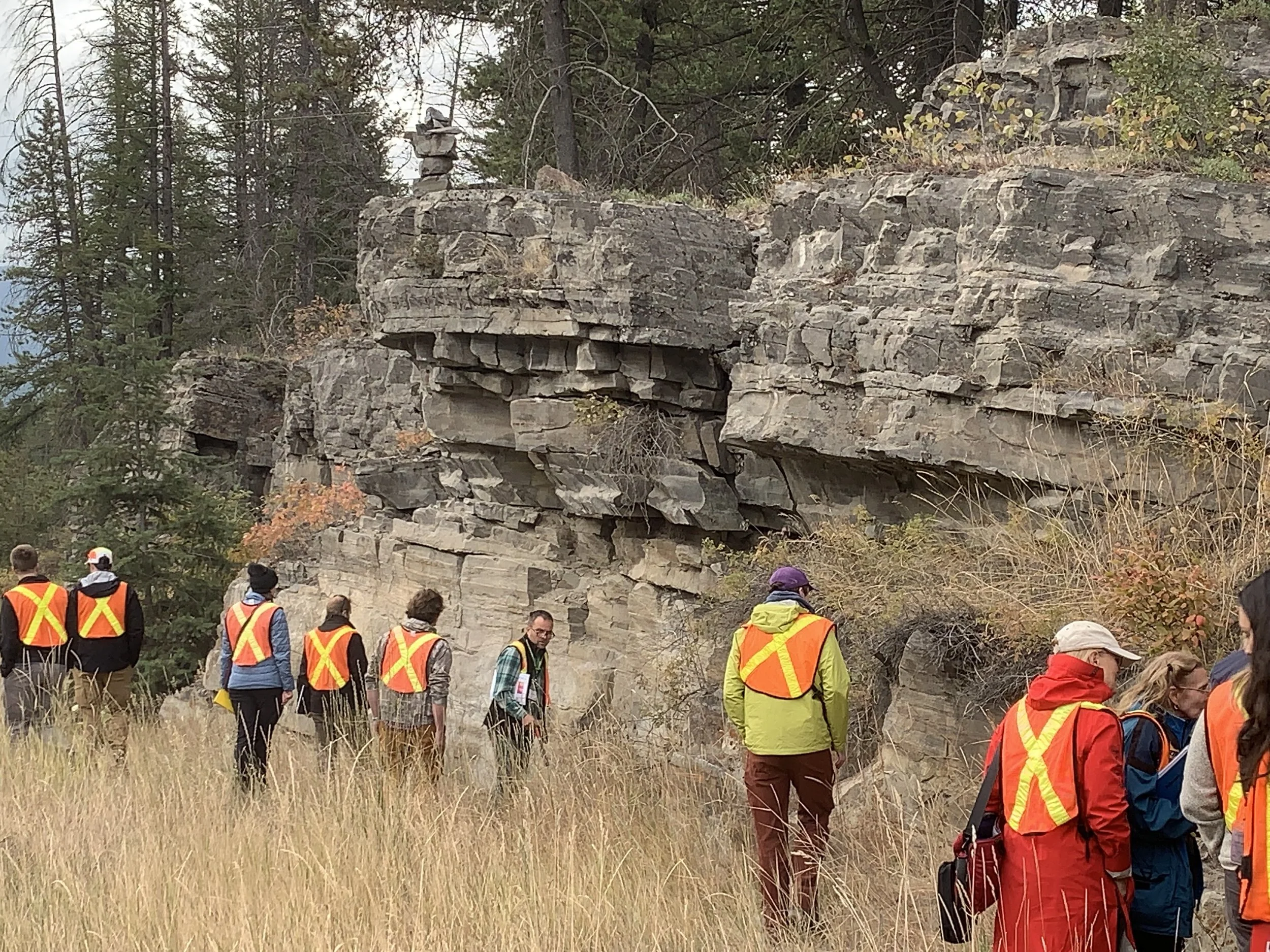
Image credit: Photo courtesy of the field trip leaders
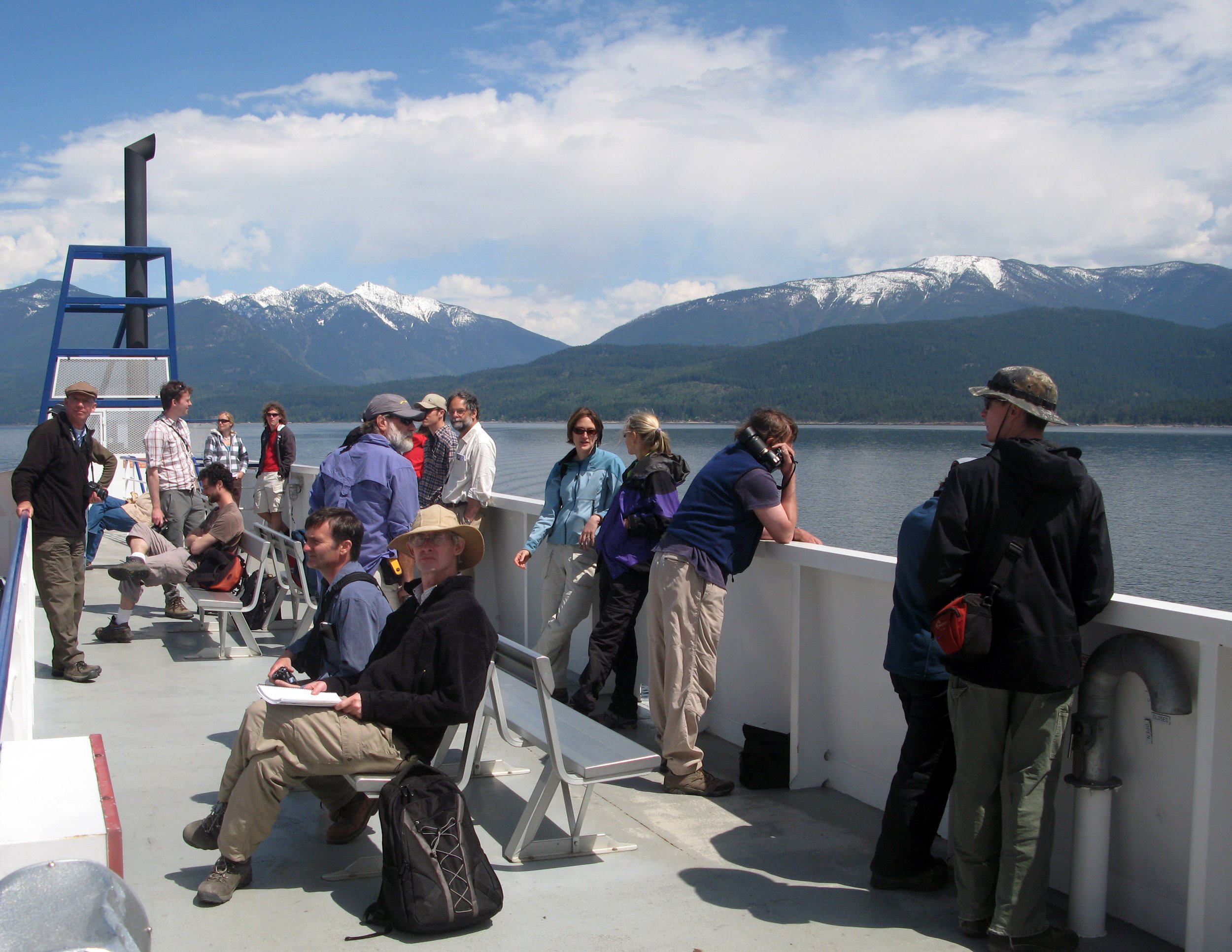
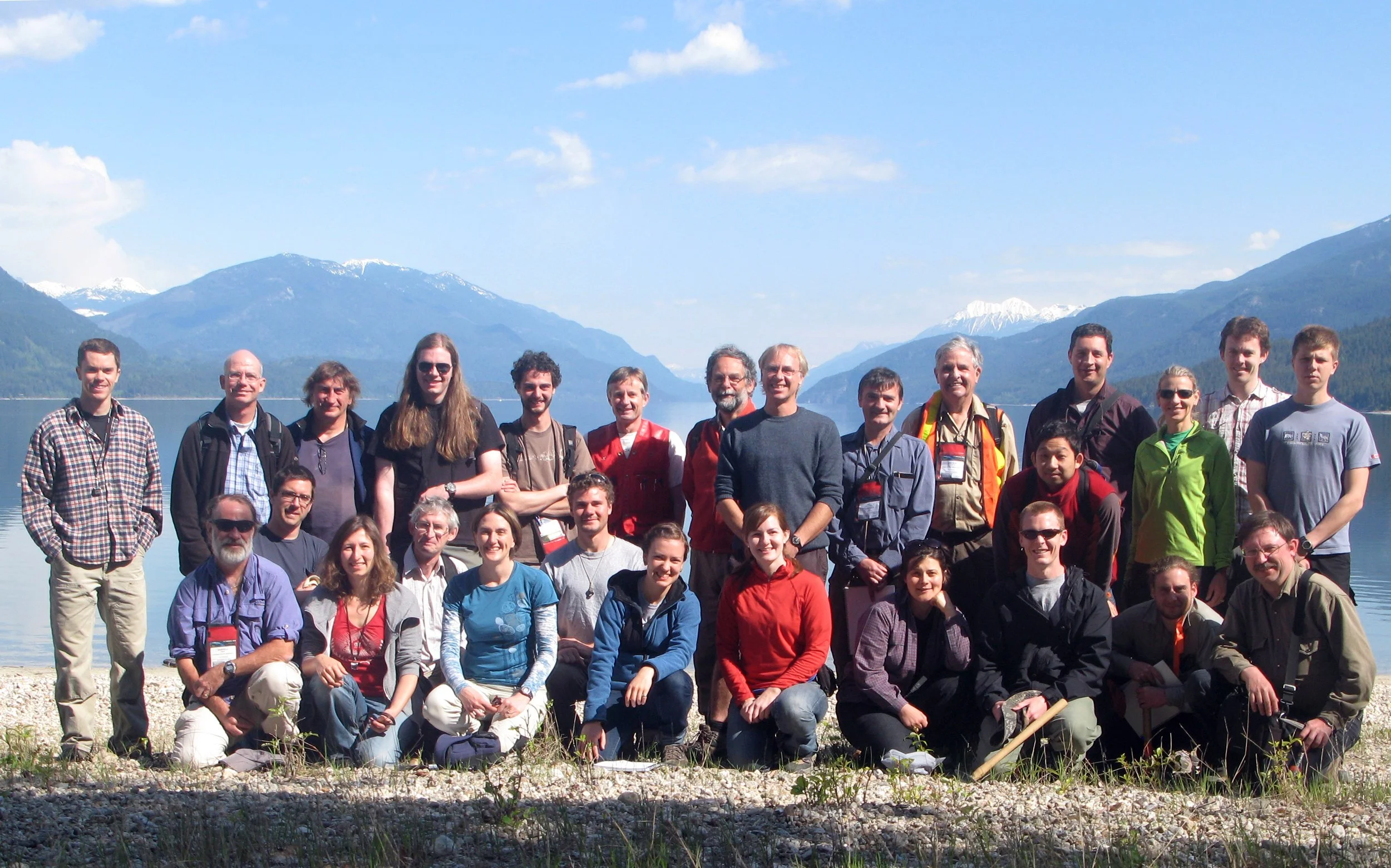
Field trip participants crossing Kootenay Lake
Image credit: Photo courtesy of the field trip leaders
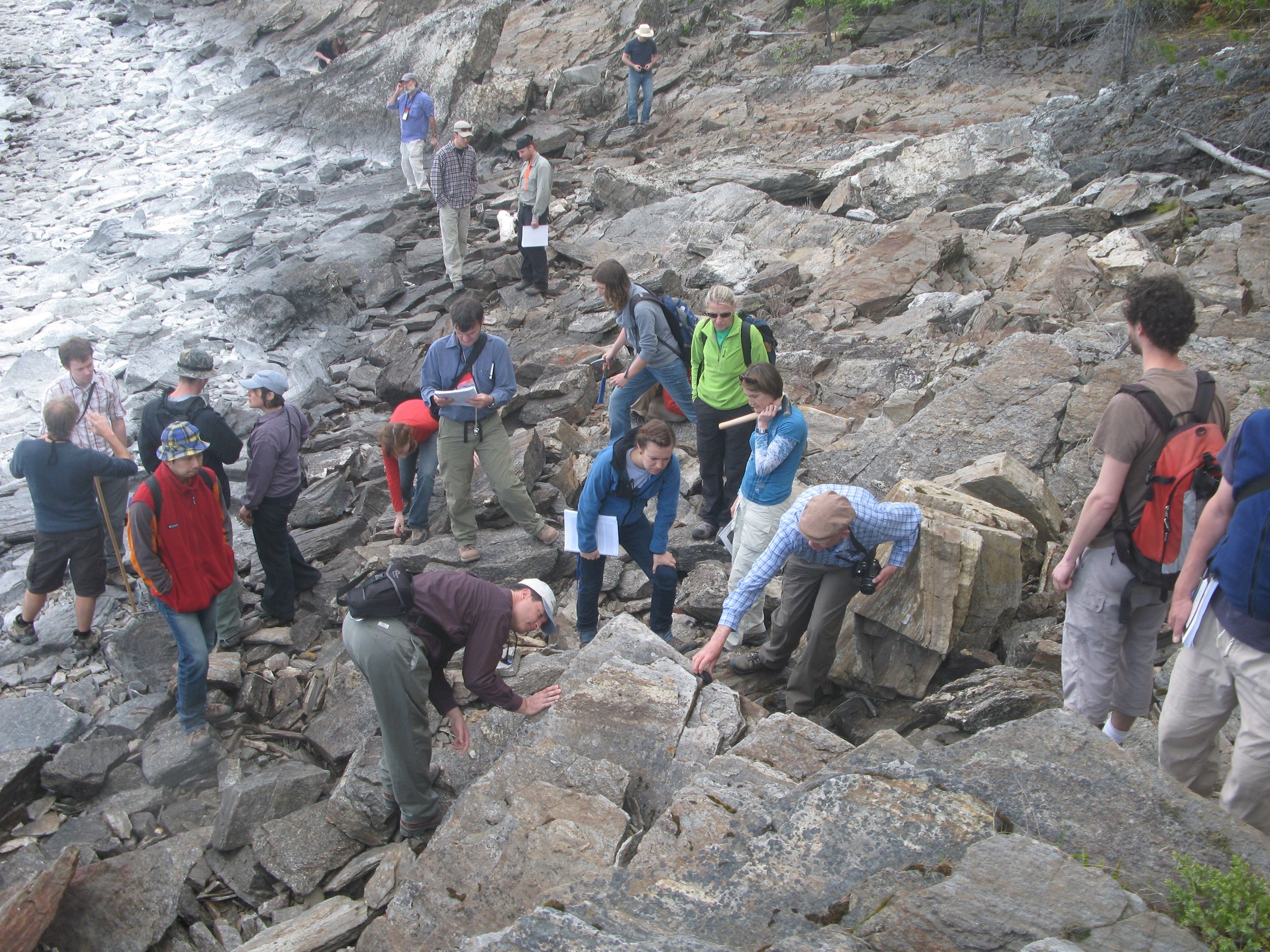
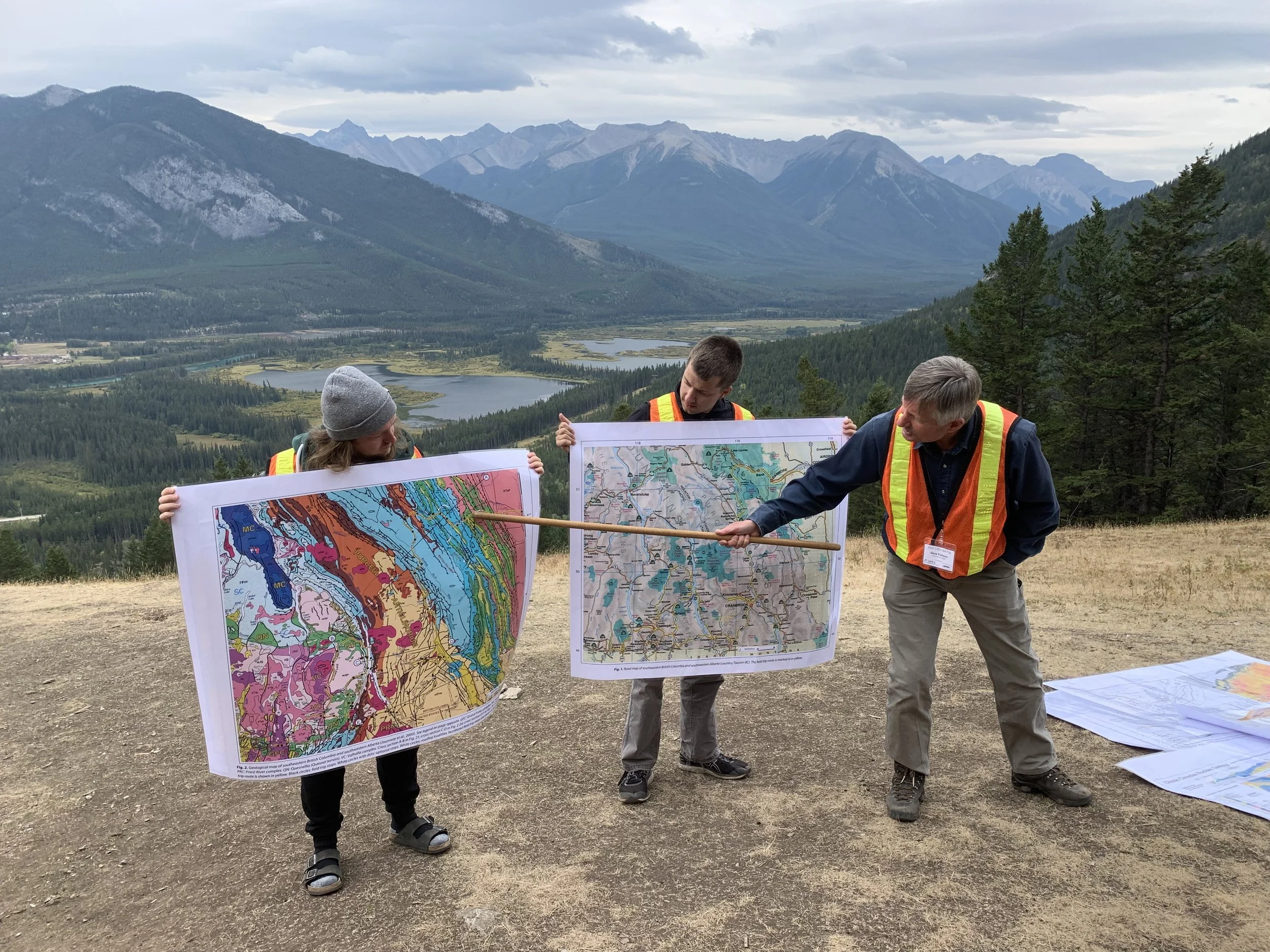
This field trip will examine localities that illuminate the geology and tectonic evolution of the Foreland and Omineca belts of the southern Canadian Cordillera in southwestern Alberta and southeastern British Columbia. The Omineca belt contains the deformational, magmatic and metamorphic record of the Jurassic through Eocene development of the Cordilleran orogen. Calgary, where the field trip starts, is situated just east of the edge of the Cordilleran deformation belt, allowing examination of the geology of the Foreland fold and thrust belt on the way to the Omineca belt. A theme of the field trip is that the structural, magmatic and metamorphic processes that occurred in the Omineca belt were intimately linked to the structural and sedimentary processes occurring at the same time in the Foreland belt. The geological domains covered by the field trip include (from east to west) the Foreland thrust and fold belt, Rocky Mountain Trench, Purcell anticlinorium, Kootenay arc, Quesnel terrane, and two Shuswap-type Cordilleran core complexes, the Valhalla complex and Grand Forks complex. The cities and towns within the geographic area covered by the field guide include (from east to west) Calgary and Banff (both in Alberta) and the following communities in British Columbia: Radium, Cranbrook, Kimberley, Creston, Salmo, Castlegar, Christina Lake and Grand Forks.
The field trip is based on the free, downloadable field guide: Pattison, D.R.M., Moynihan, D.P., McFarlane, C.R.M., Simony, P.S. & Cubley, J.F. (2020; 2022-09-27 update) Field guide to the geology, metamorphism and tectonics of the Foreland and Omineca belts of SW Alberta and SE British Columbia. Geological Association of Canada Field Guide Series 2020-A, 257 pages. doi: dx.doi.org/10.11575/PRISM/38351
Field Trip Leader
David Pattison, University of Calgary
Additional Field Images
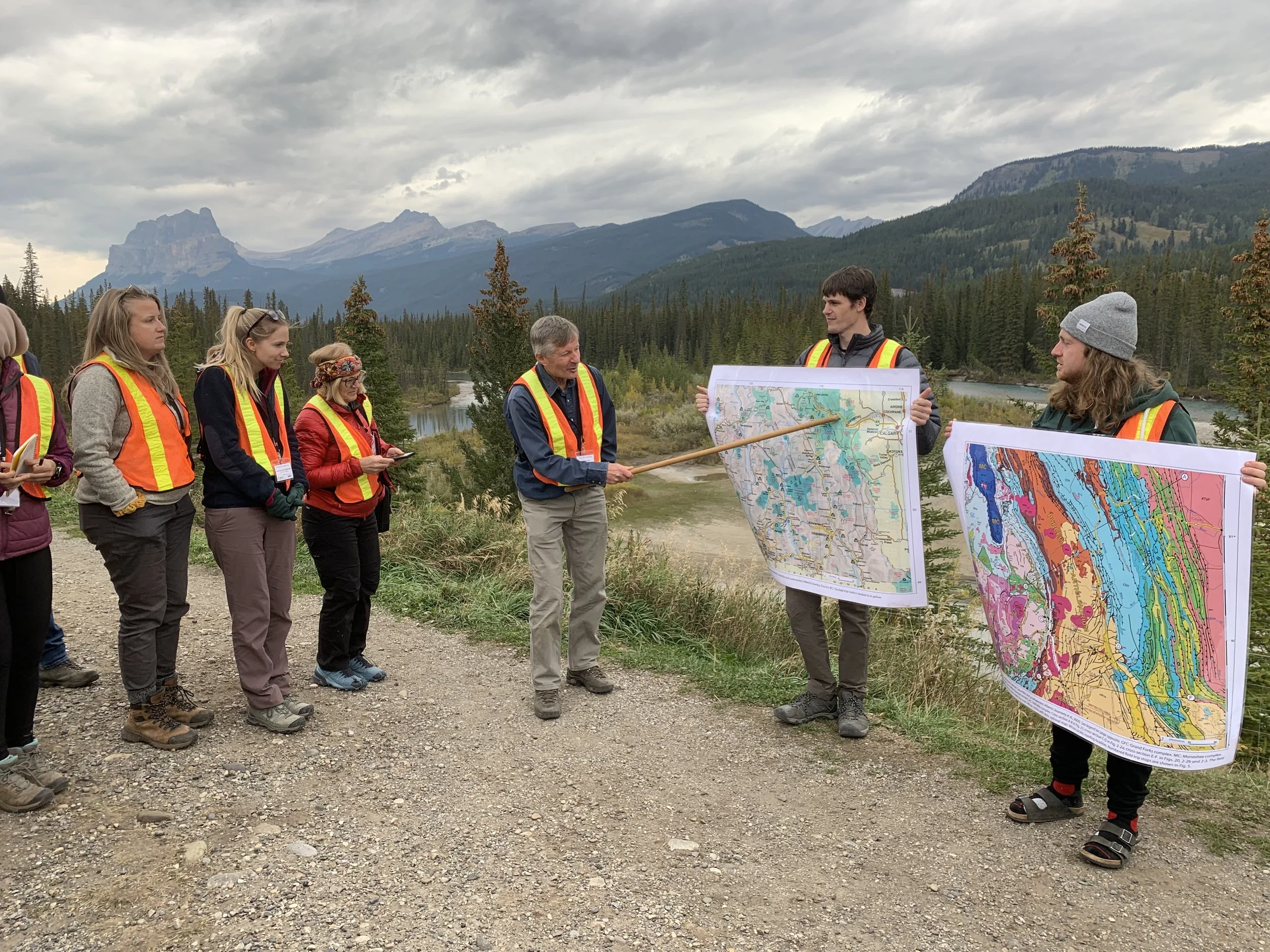
Castle Mountain Geological Stop
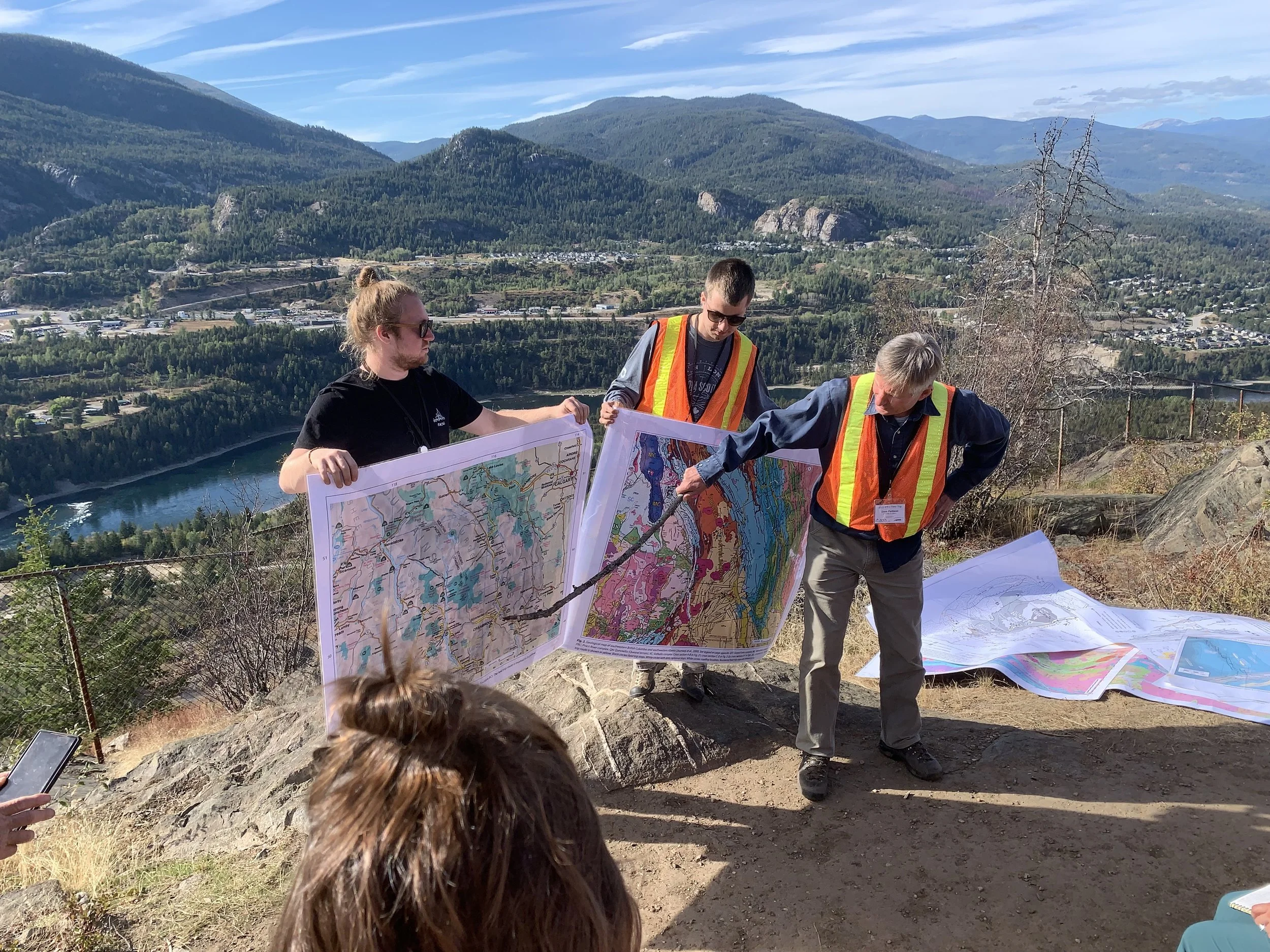
Mount Norquay Geological Overview
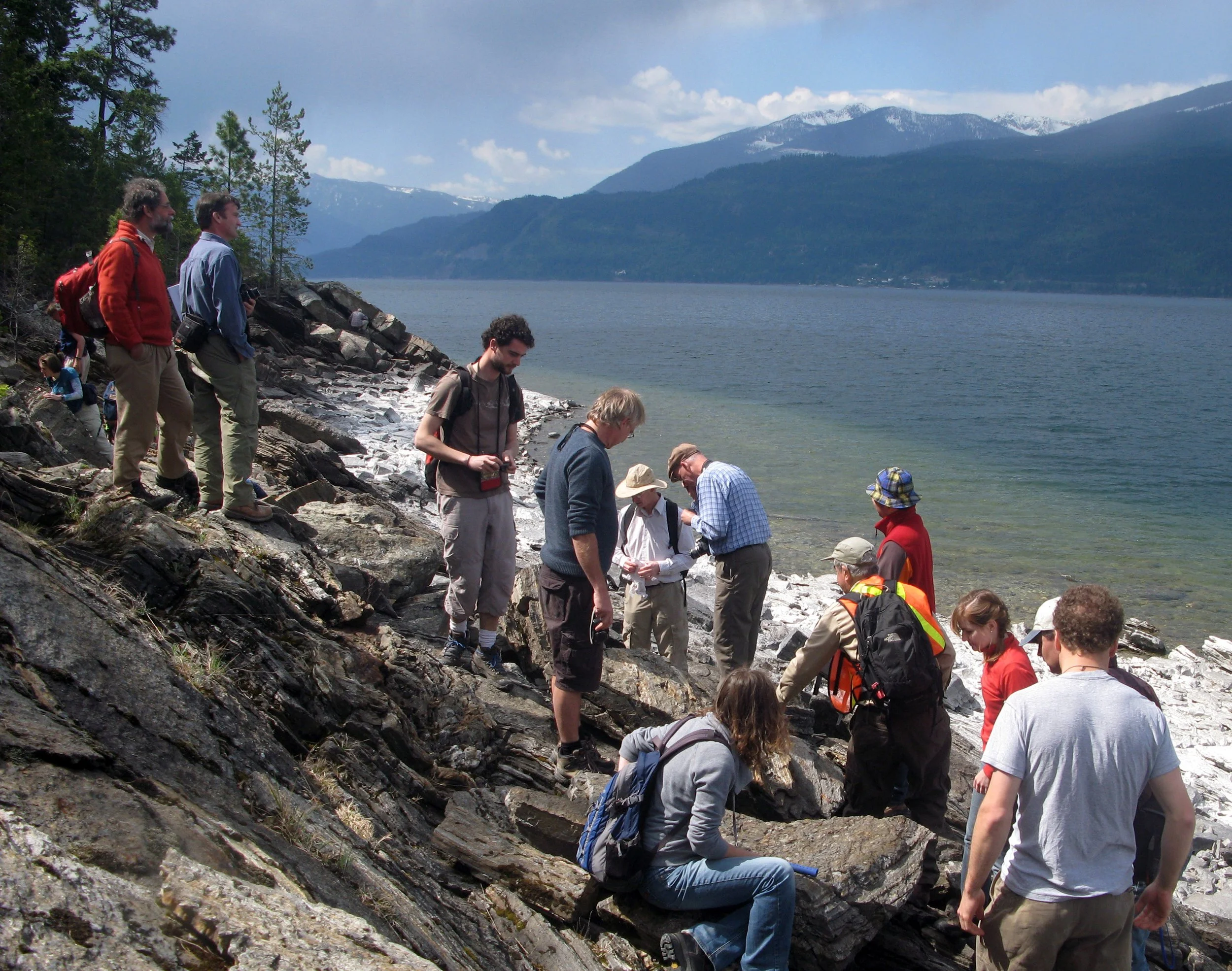
Field Participants on Kootenay Lake
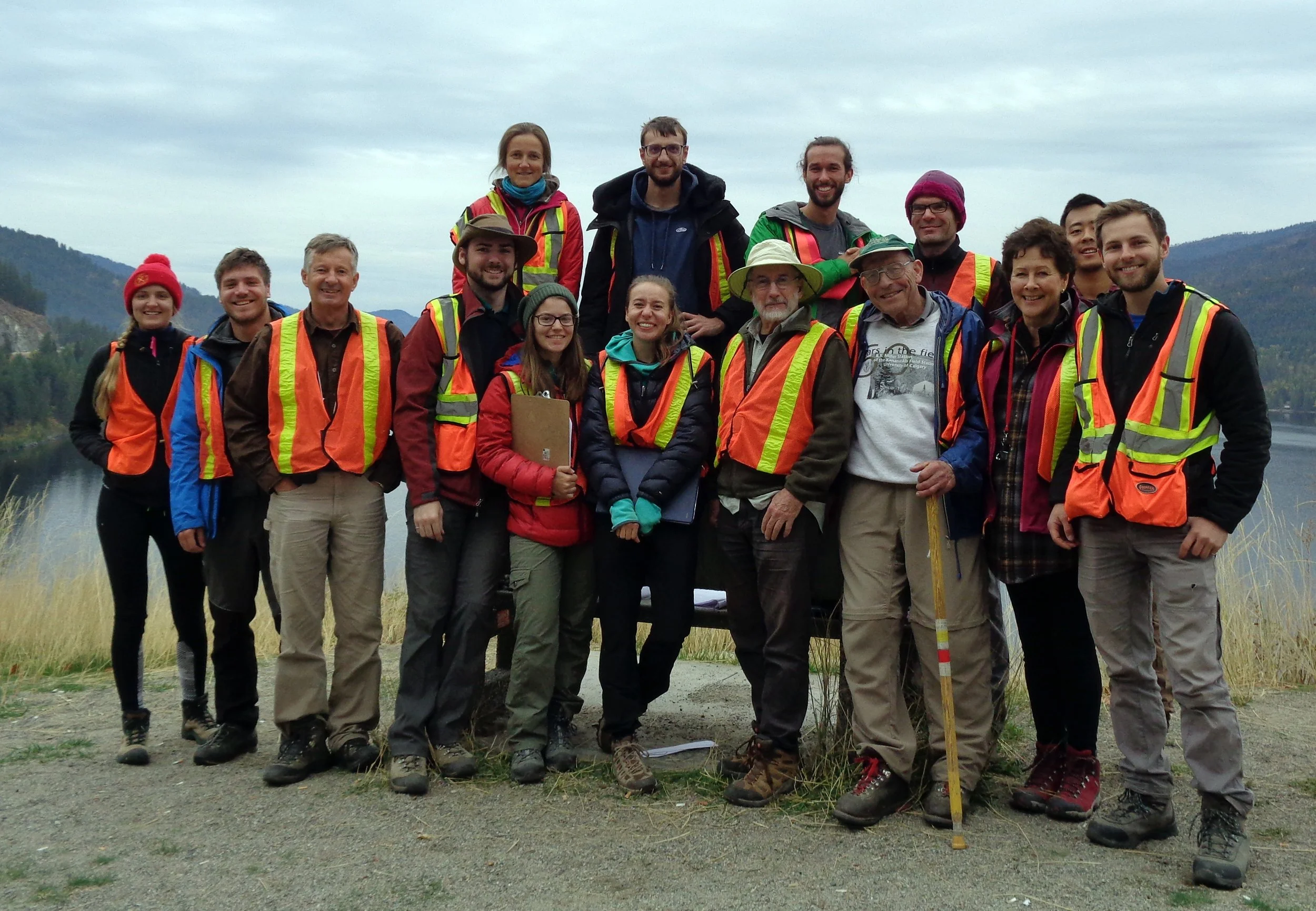
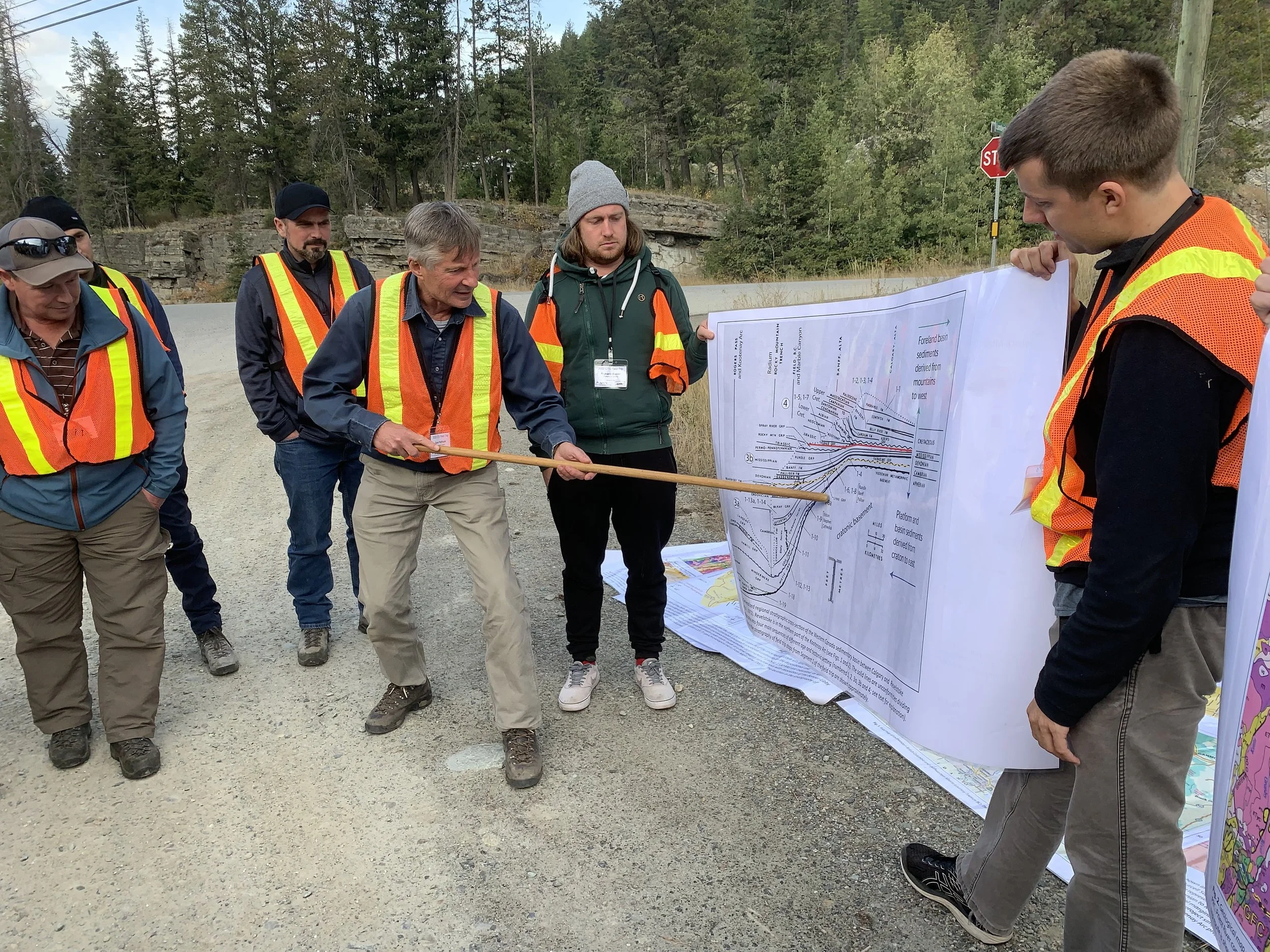
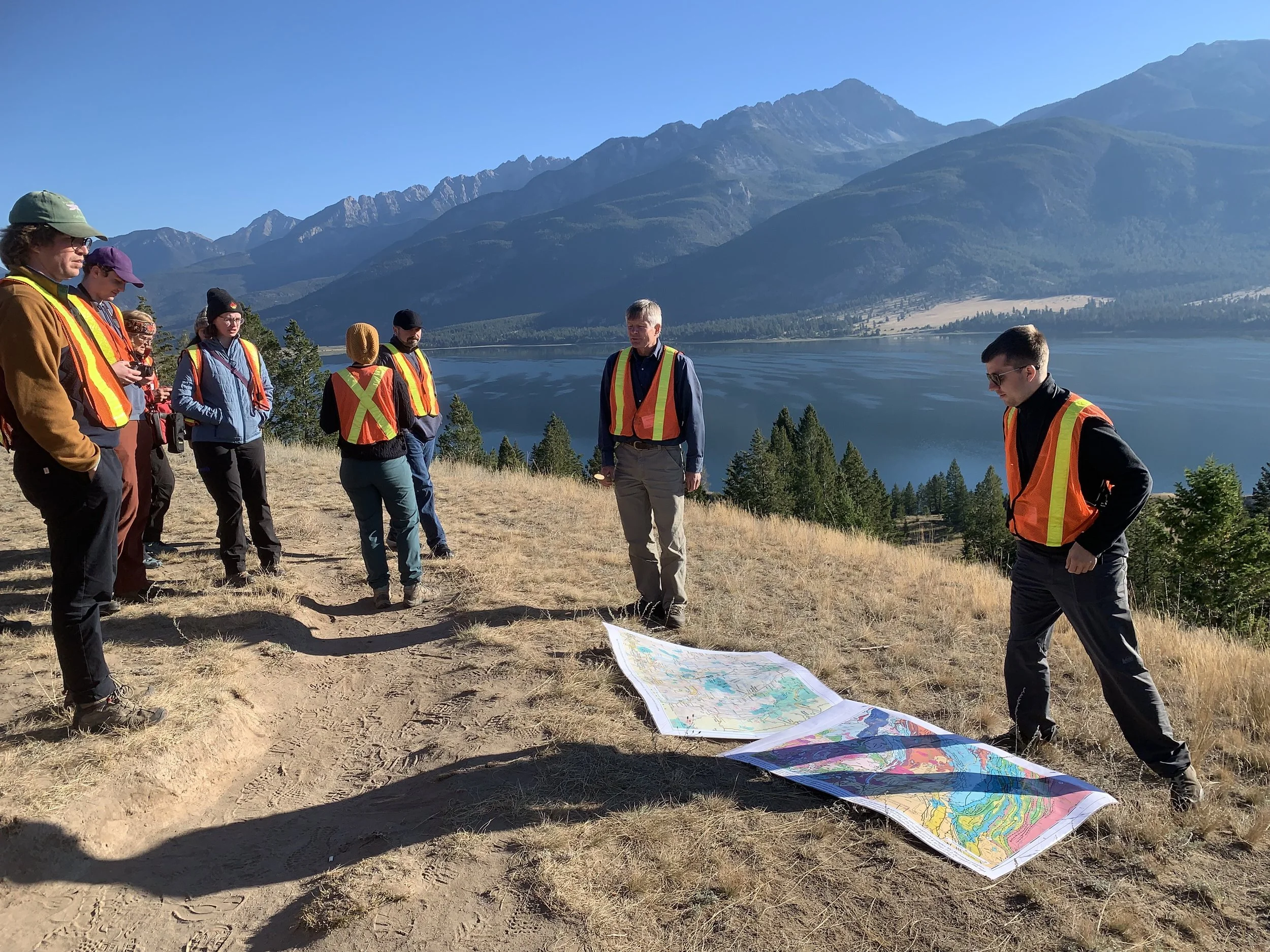
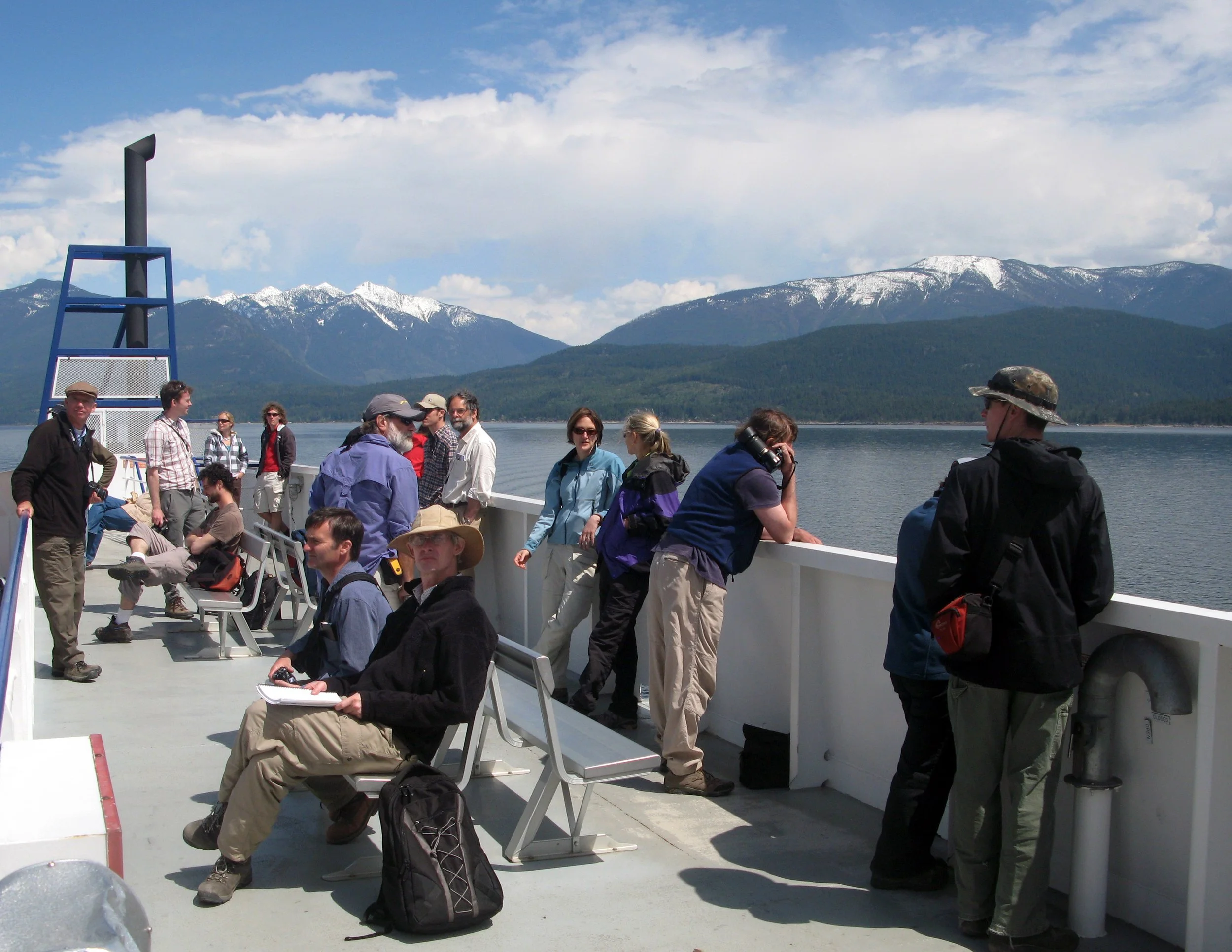
Kootenay Lake Ferry Crossing
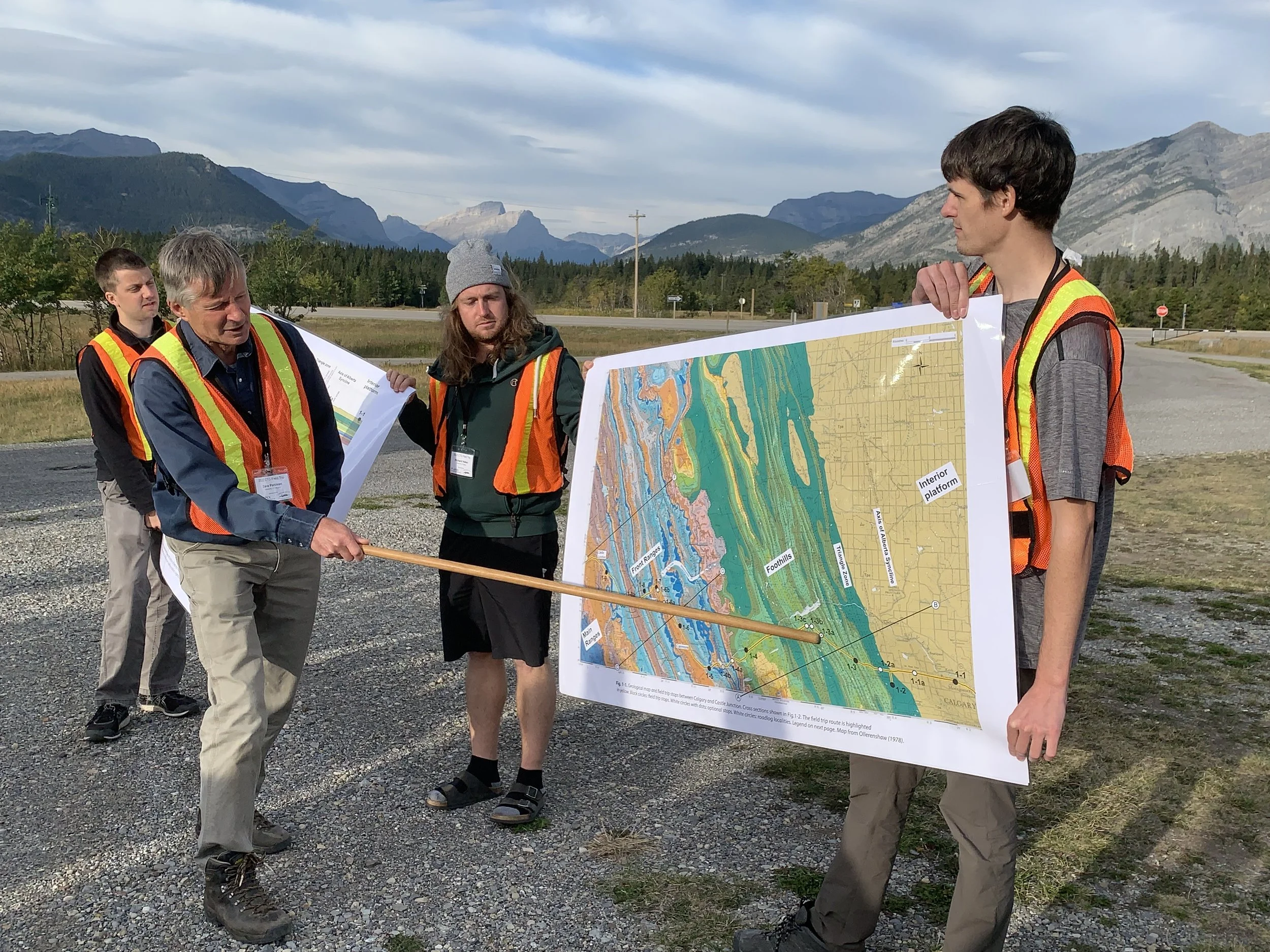
Mount Yamnuska Overview
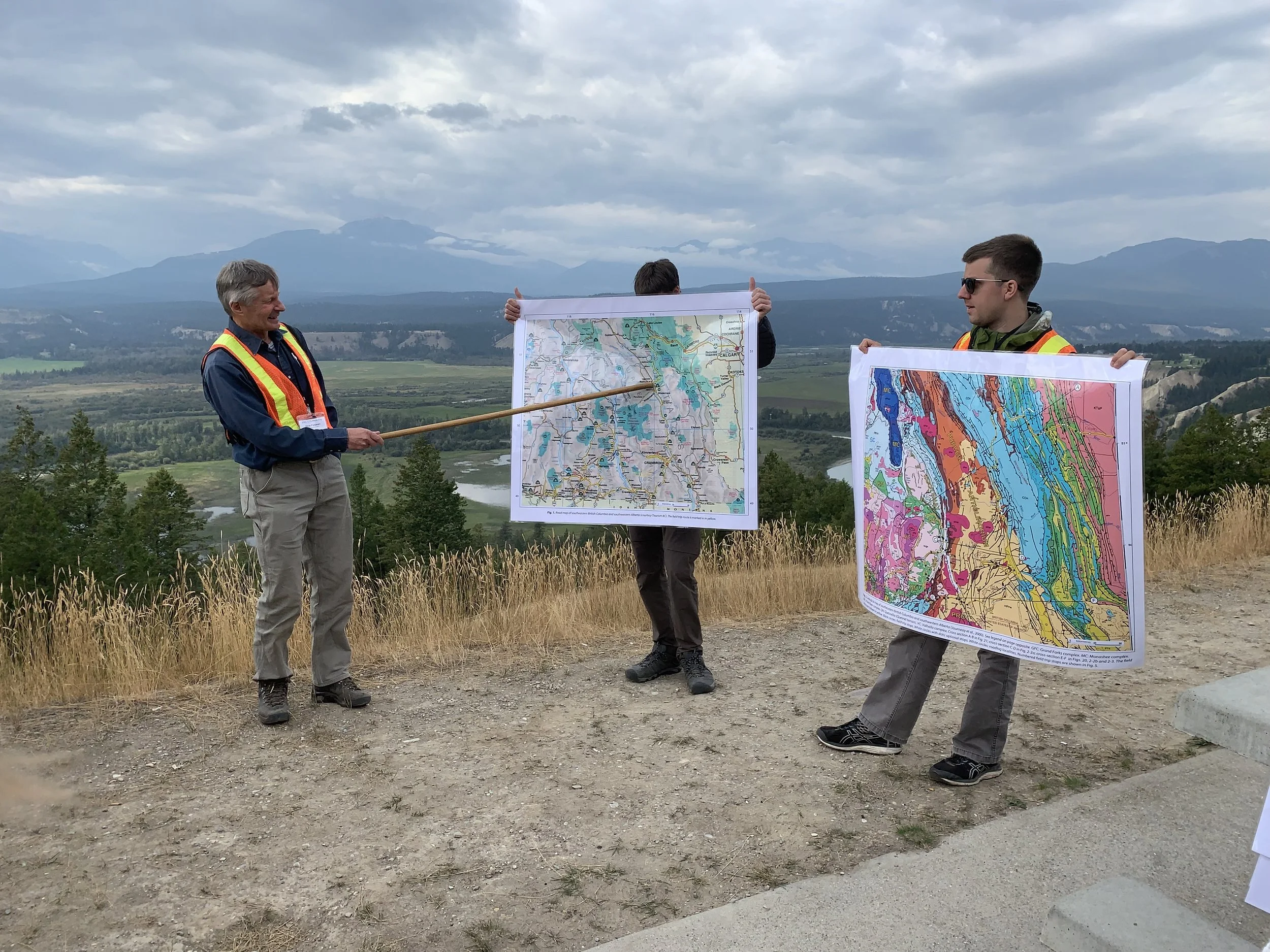
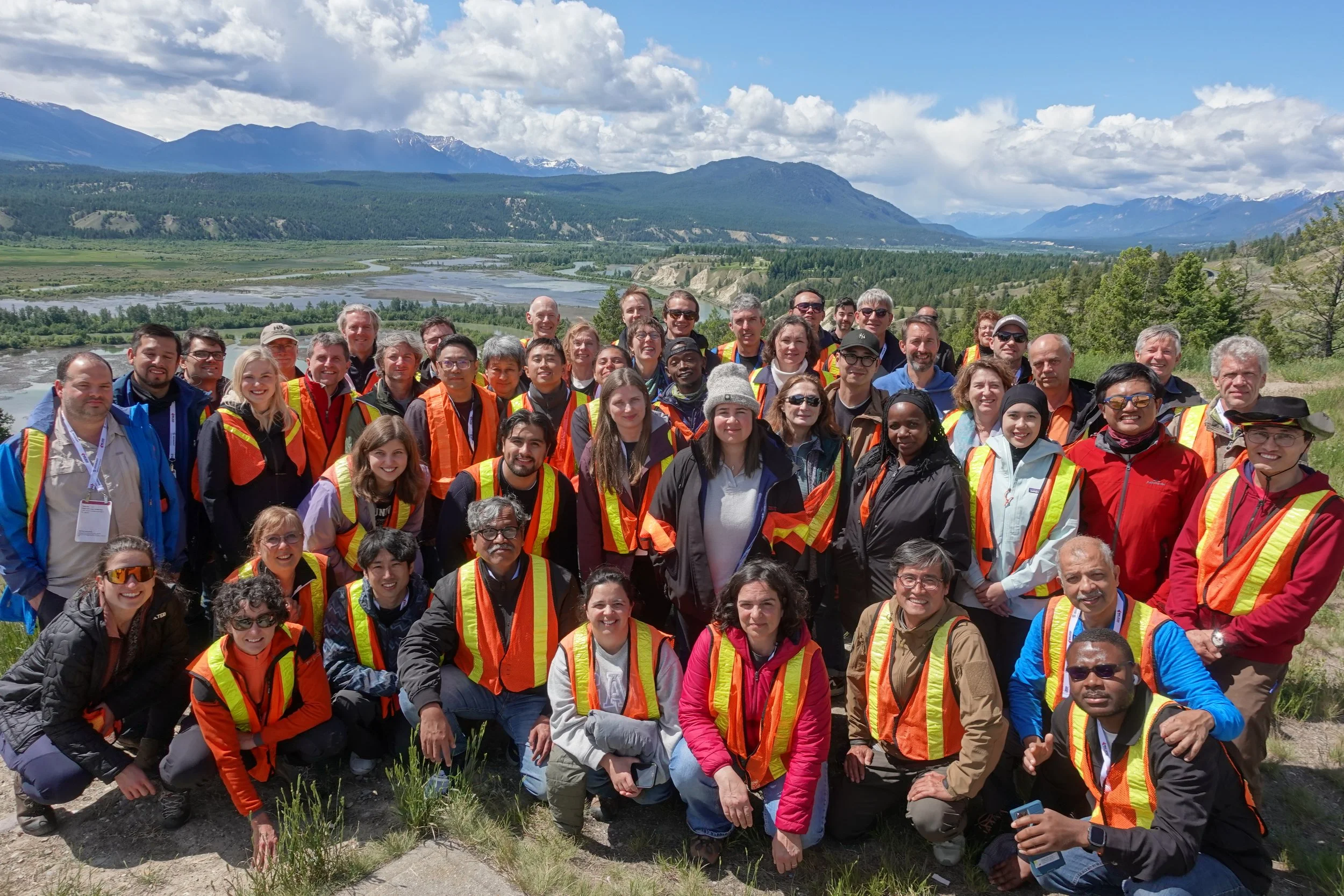
Columbia Valley Geological Overview
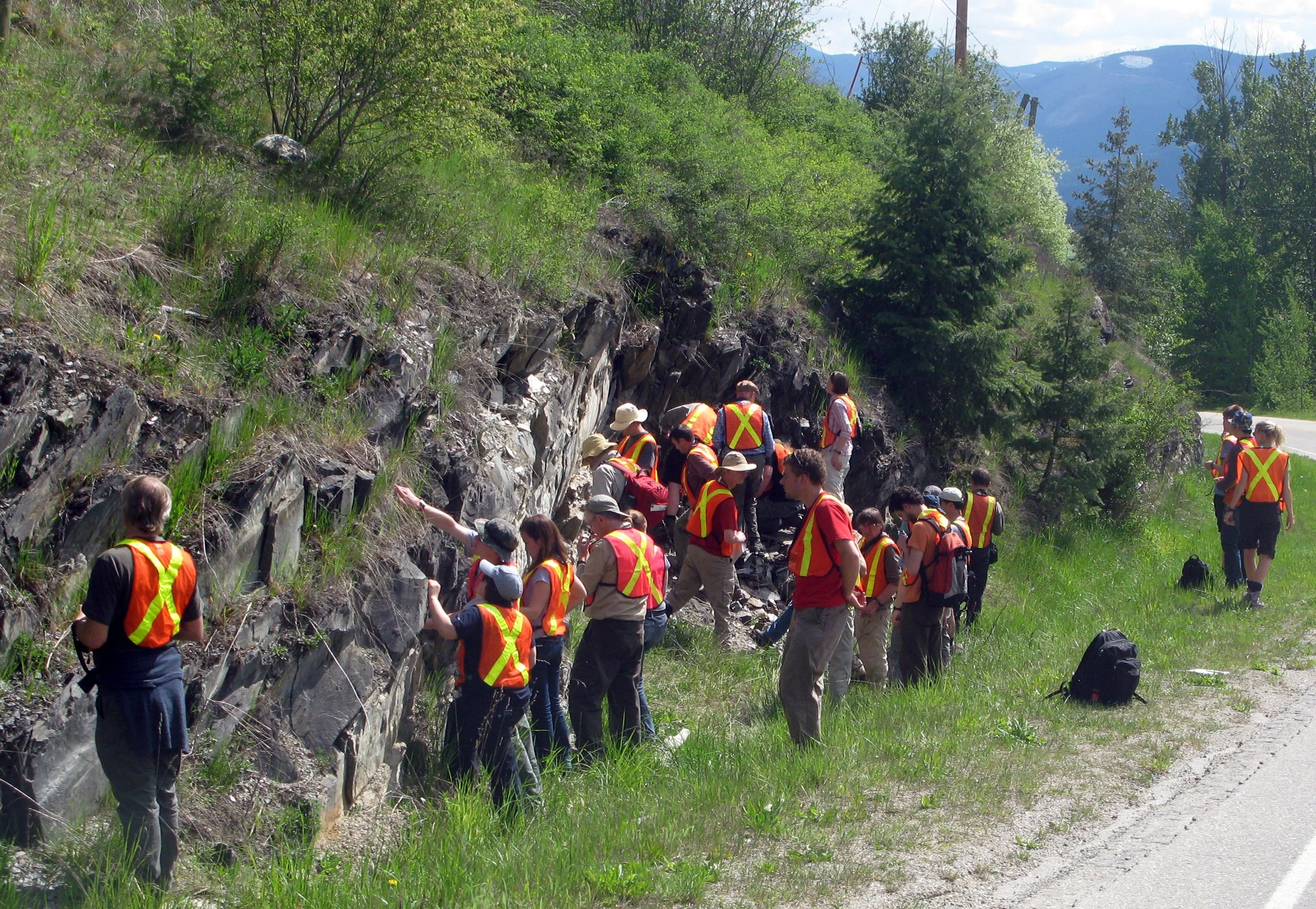
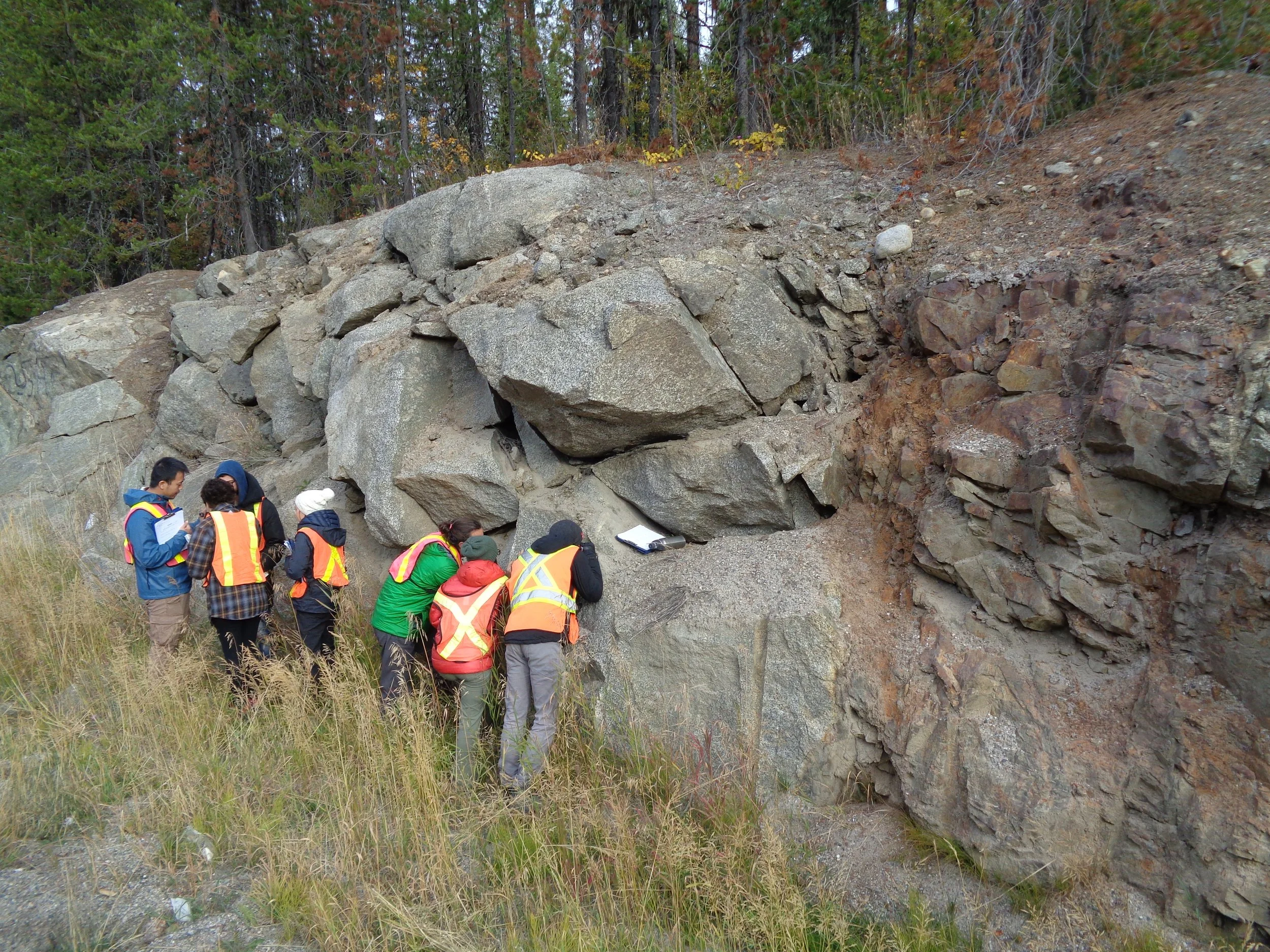
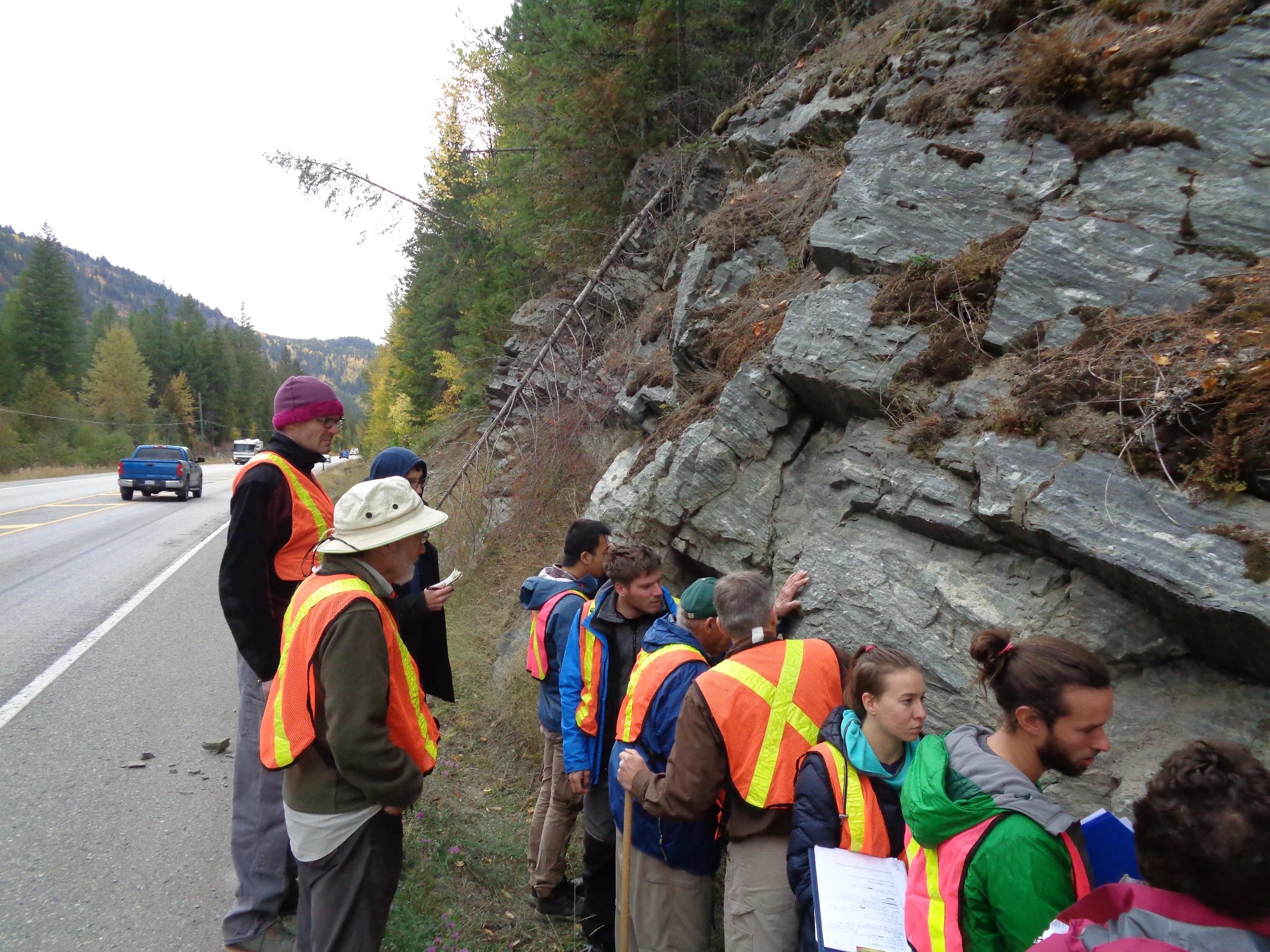
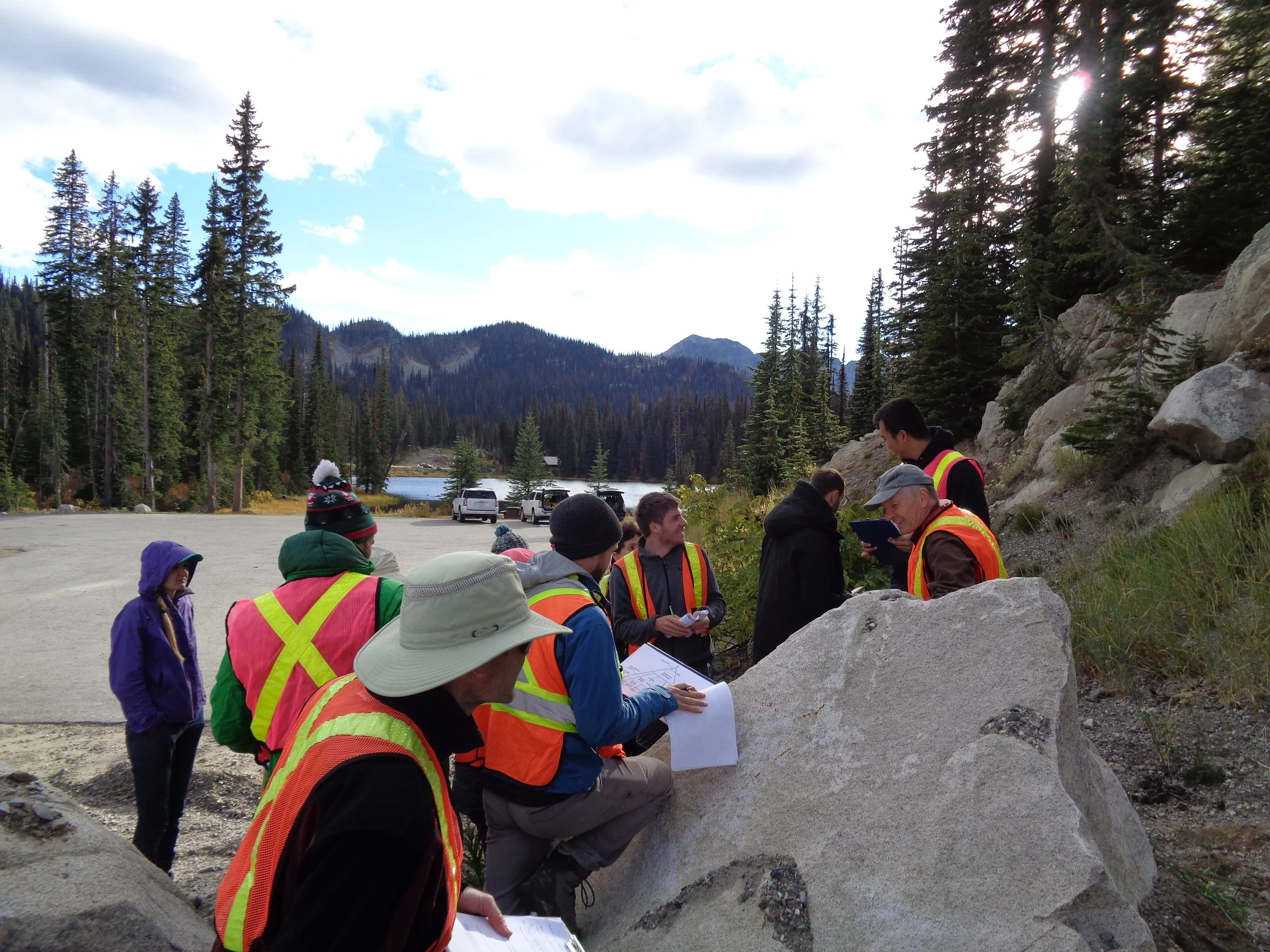
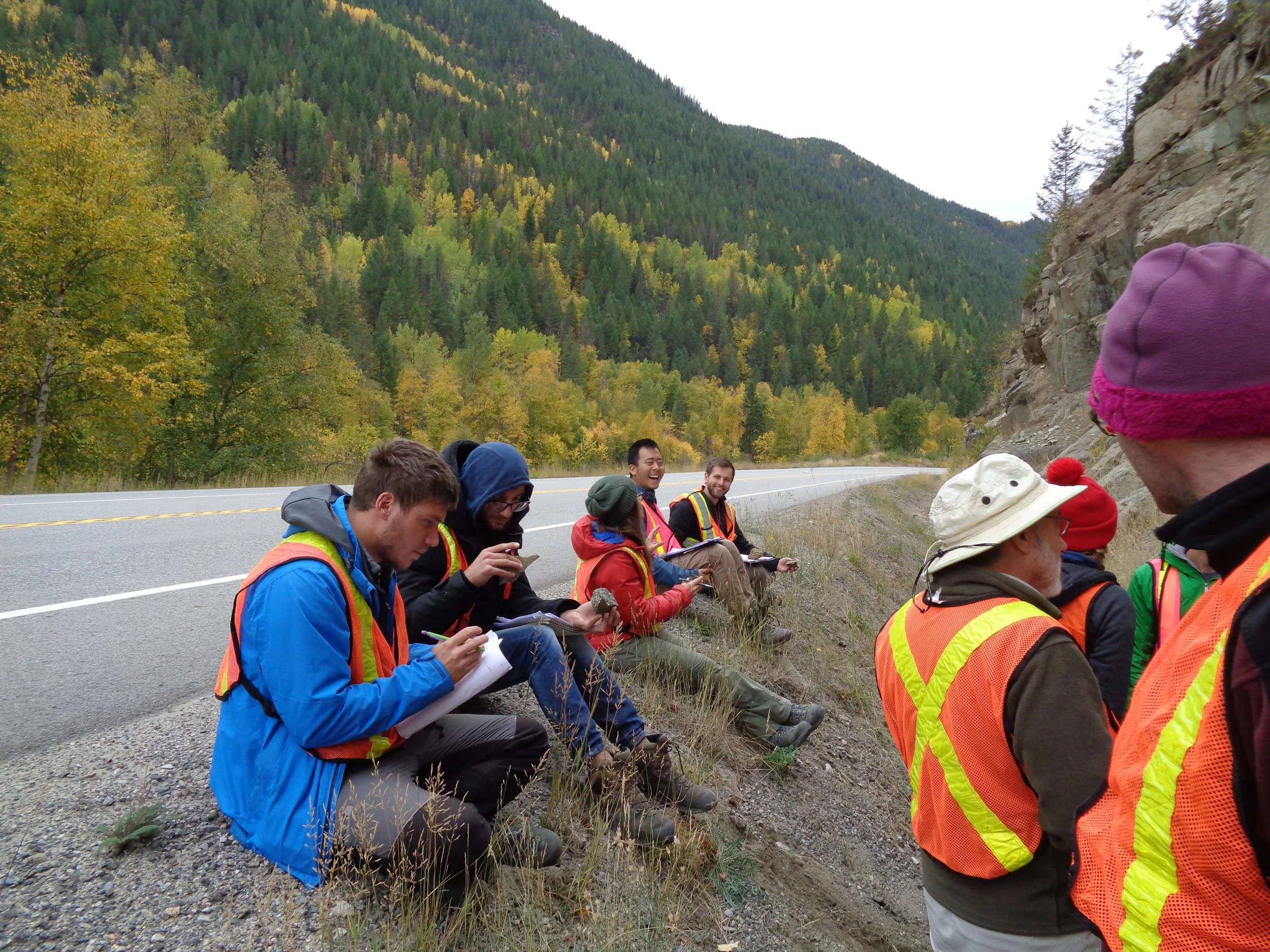
Roadside Outcrop Investigation
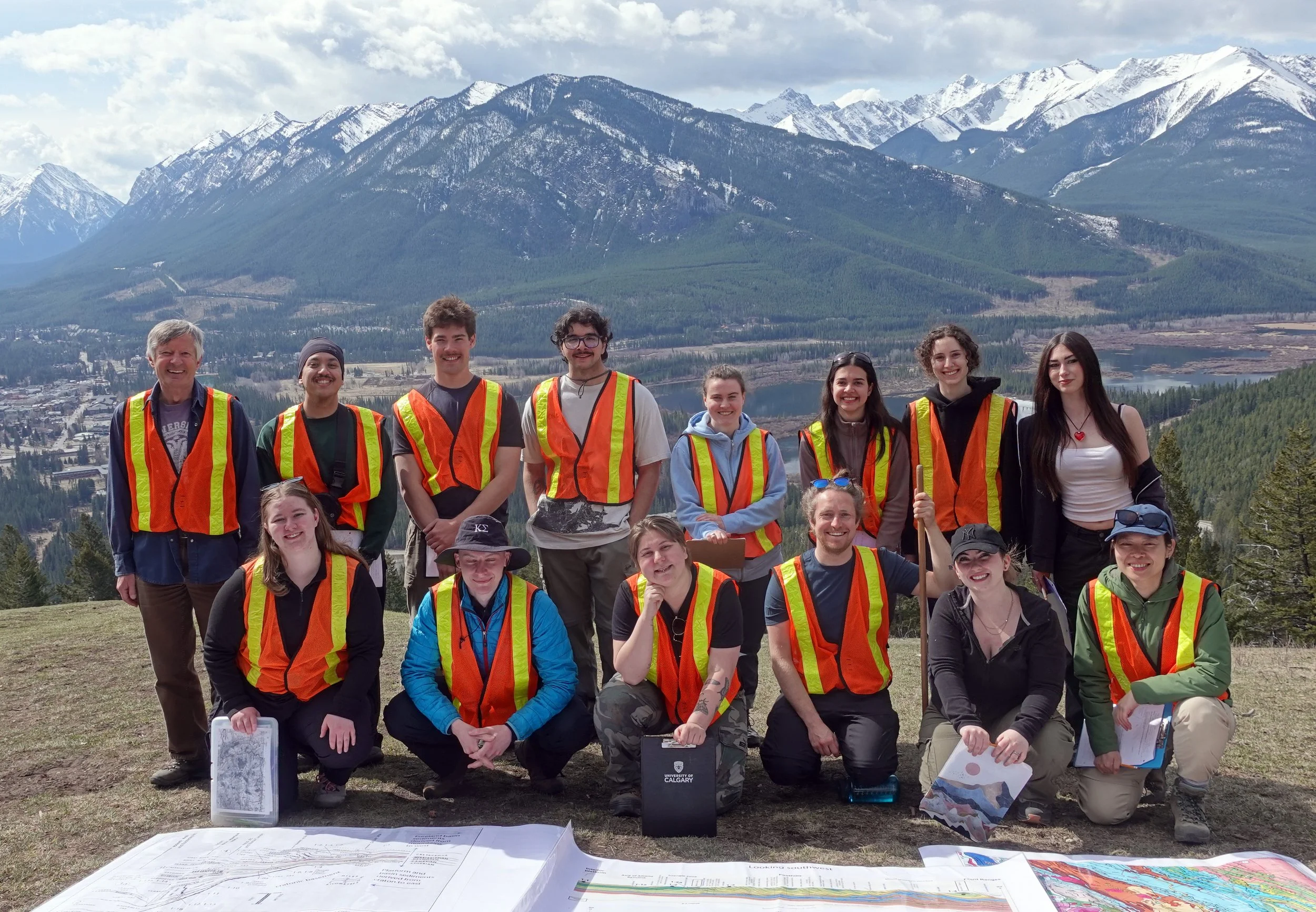
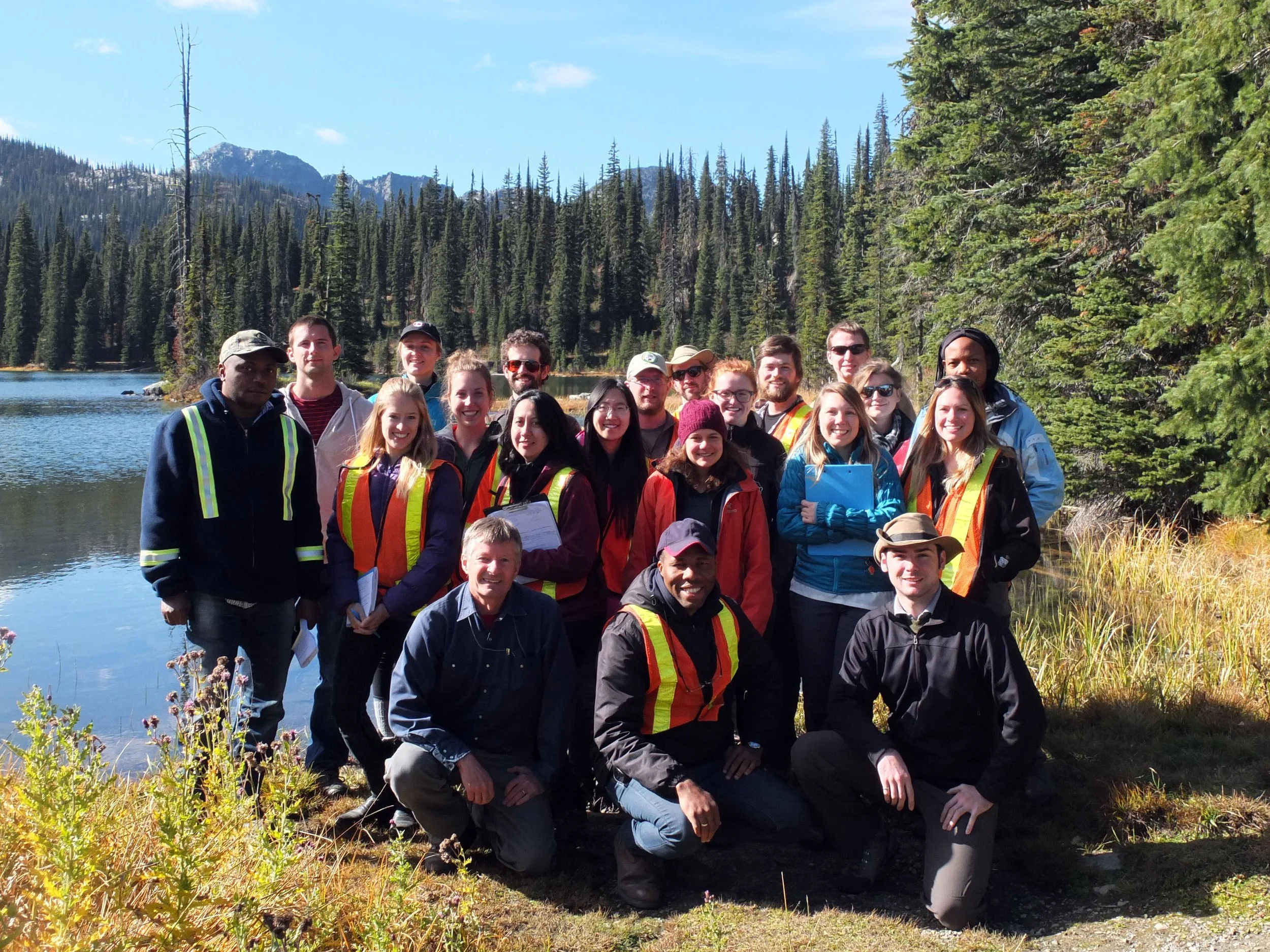
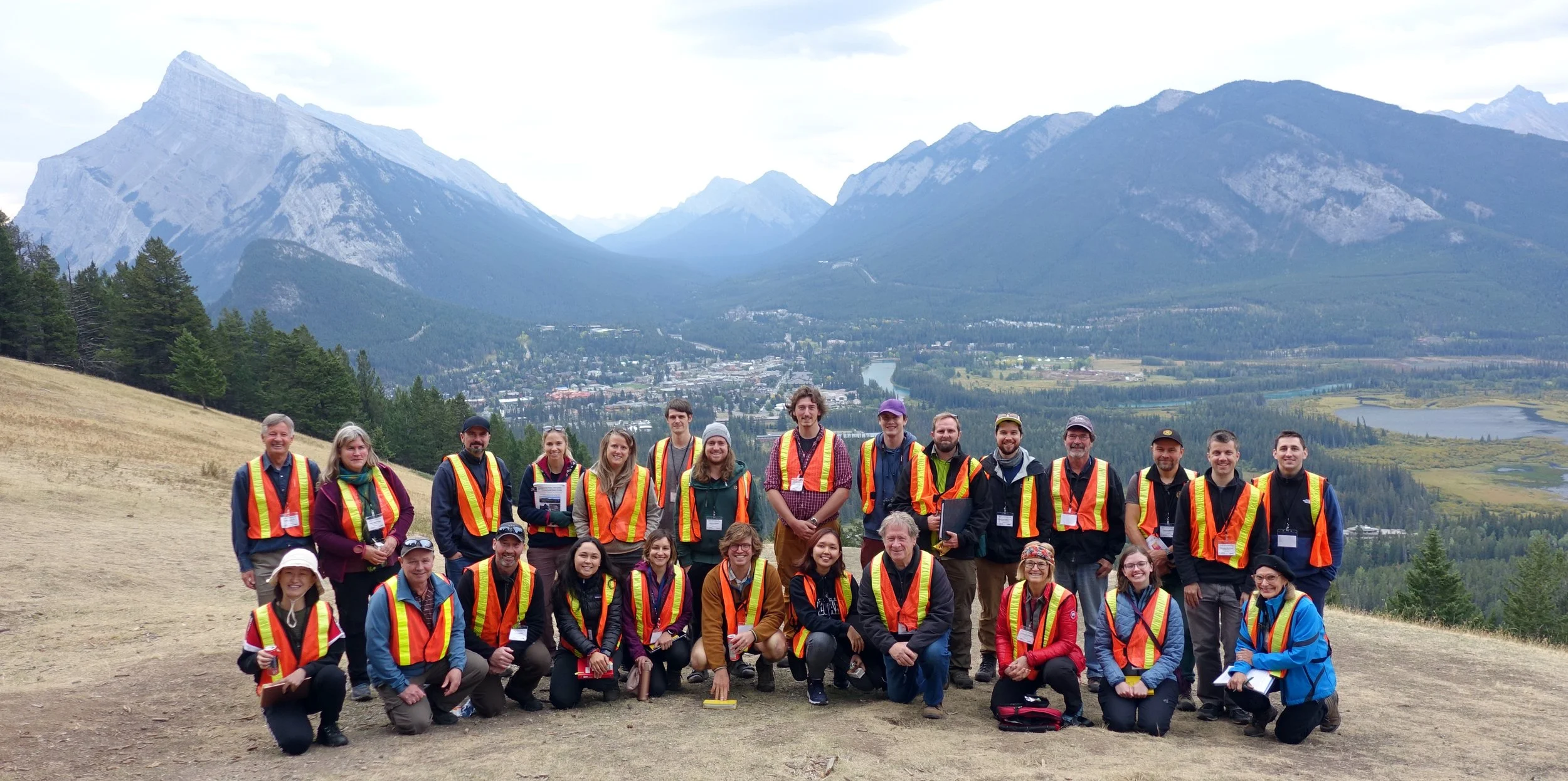
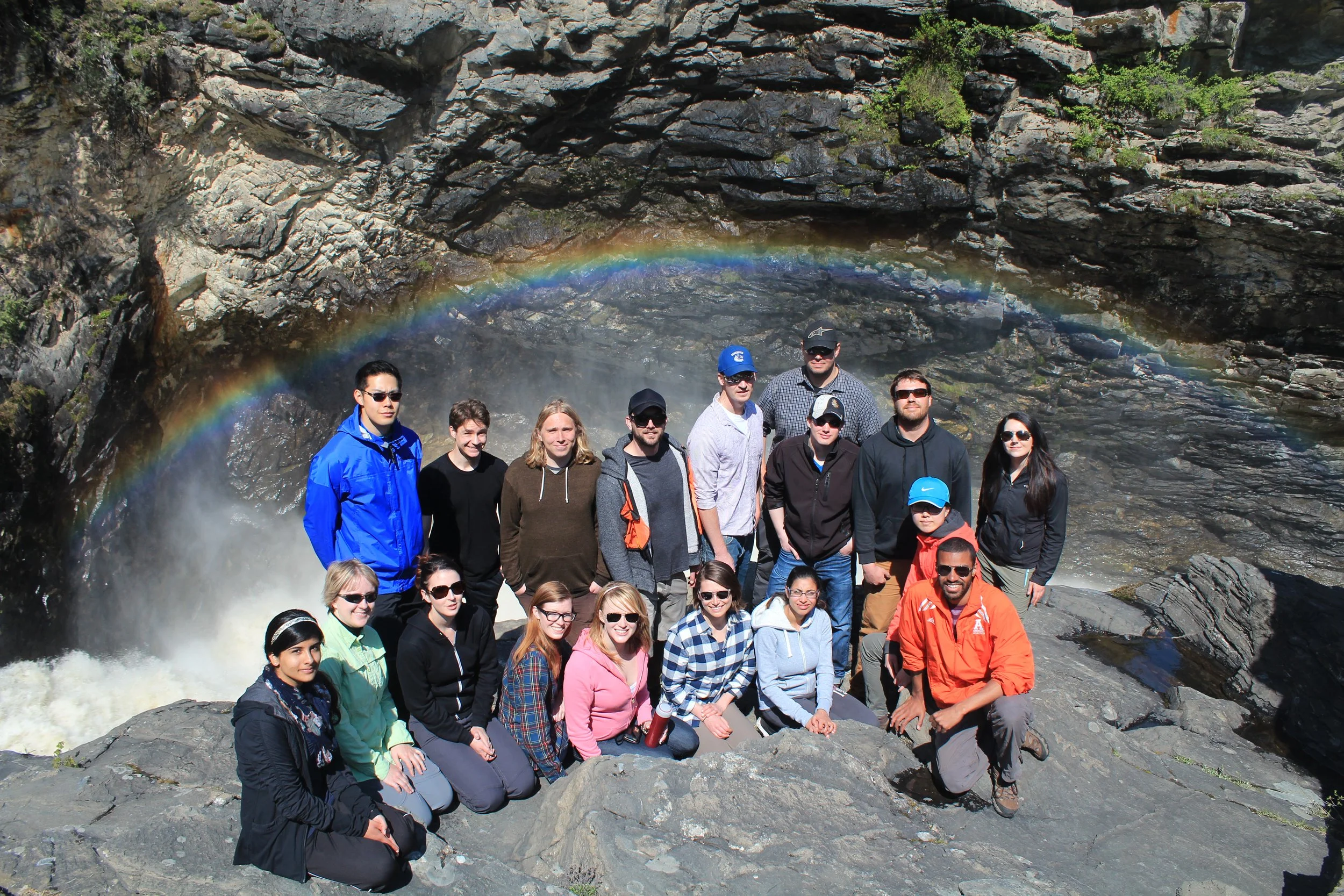
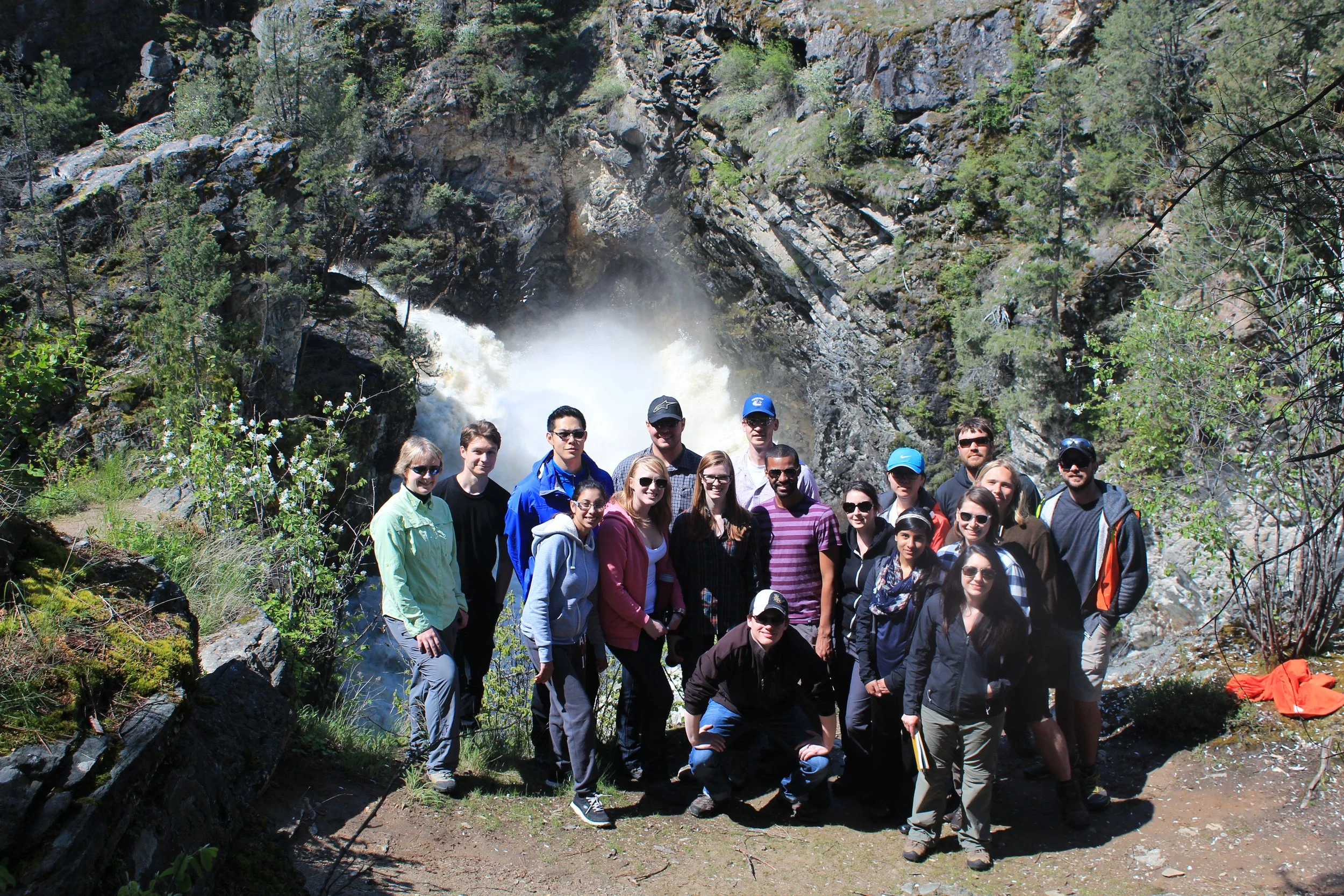
GEOL 707 Field Trip Participants (2015)
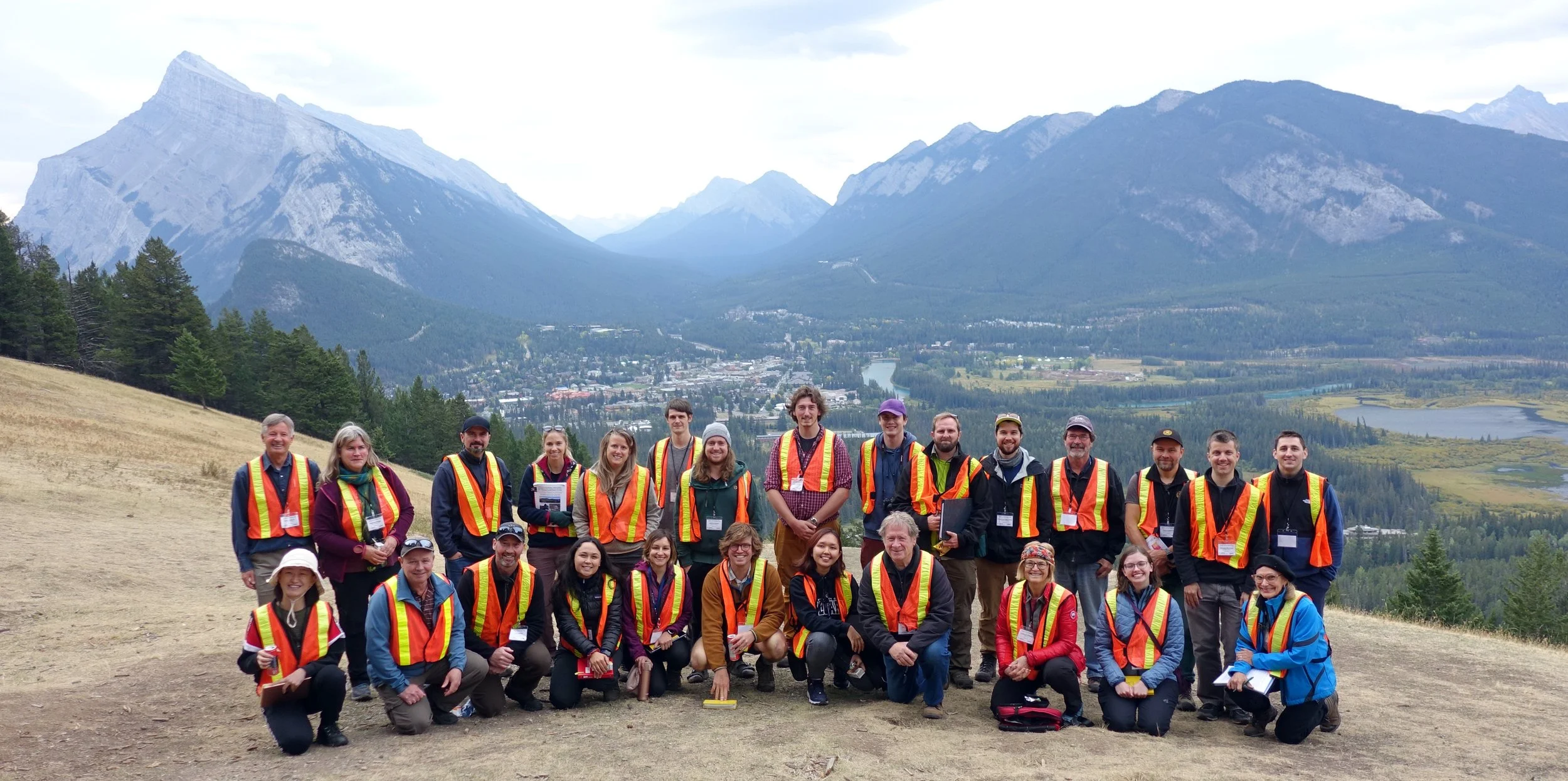
Overlooking Banff, Alberta